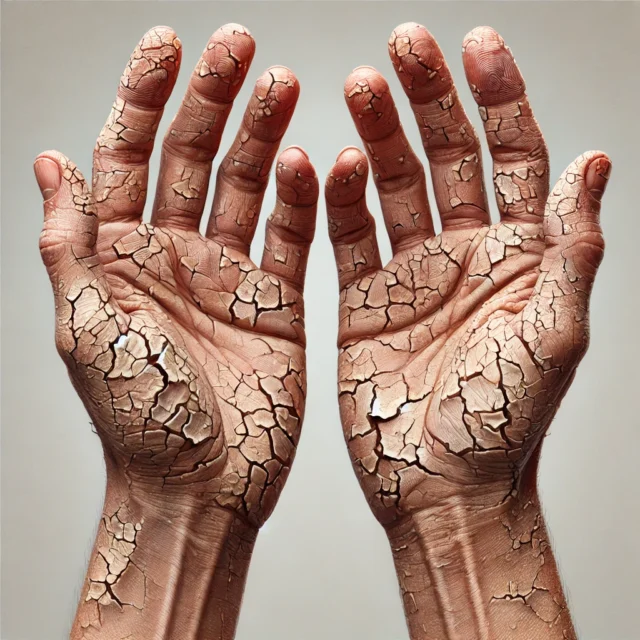
Can CBD topicals help with dry hands or wrinkles?

Interested in how CBD topicals can help? These products are becoming popular for potentially addressing skin issues such as dry hands and wrinkles.

This article explains what CBD is, details about CBD topicals, and how they work. It also covers their effectiveness in relieving dry skin and reducing aging signs, giving you the information needed to select the right product for your needs.

Explore the realm of CBD skincare with us!

What Is CBD?

Cannabidiol, or CBD, is a non-psychoactive compound from the hemp plant that has become popular in the beauty and wellness industry due to its therapeutic benefits.

CBD interacts with the body’s endocannabinoid system, promoting skin health and overall wellness, making it a popular ingredient in health and beauty products.

Extracting CBD from hemp results in a high concentration of this beneficial compound, which can improve skin hydration and nourishment. This offers promising options for skincare enthusiasts looking for natural solutions to common skin issues.

What Are CBD Topicals?

CBD topicals are beauty products infused with cannabidiol for applying directly to the skin. These include creams, lotions, and ointments that utilize CBD’s therapeutic properties to provide localized benefits like reducing inflammation, hydrating the skin, and rejuvenating it.

Available in various forms, such as hand creams and oil-infused creams, CBD topicals are transforming skincare routines by incorporating natural oils and botanical extracts. They address skin conditions and improve overall skin texture.

How Do CBD Topicals Work?

CBD topicals work by allowing cannabinoids to enter the skin and deliver therapeutic effects to specific areas. They interact with cannabinoid receptors in the skin, helping reduce inflammation and improve skin hydration, which can benefit people with conditions like eczema or psoriasis.

The way CBD is absorbed in these topicals ensures users experience health benefits without any psychoactive effects, making them suitable for daily skincare routines.

Can CBD Topicals Help with Dry Hands?

CBD topicals have been effective in relieving dry hands, a problem often worsened by environmental factors and frequent washing. These products typically include moisturizers and hydrating agents that help keep the skin moist and improve its barrier function.

The calming effects of CBD, along with nourishing botanical extracts and essential oils, make these topicals suitable for treating dry skin, offering therapeutic benefits that support skin health and rejuvenation.

What Causes Dry Hands?

Dry hands can result from factors like cold weather, frequent hand washing, and exposure to harsh chemicals that remove the skin’s moisture. These elements can weaken the skin barrier, causing irritation, flakiness, and discomfort.

Without enough hydration and natural oils, these problems worsen, making it important to use skincare products with moisturizing properties to restore skin health.

Environmental factors often work together; for example, about 30% of people experience increased skin sensitivity in winter, partly due to indoor heating, which dries out the air. Overusing hand sanitizers with high alcohol content can also harm the skin barrier, increasing vulnerability to irritants and infections.

Using quality skincare that provides protection and hydration can greatly improve skin health, helping to defend against these environmental challenges.

How Can CBD Topicals Help with Dry Hands?

CBD topicals can help improve dry hands by enhancing skin hydration and moisture. These products often mix emollients and natural oils with CBD to support skin repair and soften rough areas.

Users may feel immediate relief from dryness, as the cannabinoids in the topicals penetrate the skin, providing lasting hydration and improving texture over time.

Research shows that CBD-infused creams and balms can reduce inflammation and strengthen the skin’s barrier, making them useful for those with persistently dry hands. For instance, a clinical trial showed positive results for participants with dry skin conditions, many of whom noticed significant improvement with regular use.

Ingredients like shea butter and coconut oil add deep moisturization and help the skin’s natural healing process. User testimonials often highlight the soothing sensation after application, showing that CBD topicals offer immediate comfort and improved skin with long-term use.

Can CBD Topicals Help with Wrinkles?

CBD topicals are becoming known for their potential to reduce wrinkles and offer anti-aging benefits through cannabinoids and plant extracts. These products may improve skin elasticity and texture due to their antioxidants, which fight free radical damage and support skin rejuvenation.

By addressing aging signs on the skin, CBD creams and lotions offer a natural alternative to traditional beauty products, providing a holistic approach to skincare that nourishes and revitalizes the skin.

What Causes Wrinkles?

Wrinkles mainly develop due to aging and environmental factors like UV exposure, pollution, and lifestyle choices that reduce skin elasticity over time. As we age, collagen and elastin—proteins that maintain skin structure—decrease, resulting in fine lines and deeper wrinkles.

Dehydration and poor skincare habits can make wrinkles more noticeable, highlighting the need for effective anti-aging solutions.

Environmental factors such as too much sun exposure can speed up skin damage, while pollution brings in free radicals that further degrade these essential proteins. Experts stress the importance of keeping skin hydrated, as moisture helps maintain elasticity, keeping skin firm and youthful.

A solid skincare routine with moisturizers, serums, and sun protection can significantly reduce aging effects. Studies show that active ingredients like hyaluronic acid and peptides can improve skin hydration and elasticity, resulting in smoother skin.

Therefore, focusing on both internal and external protective measures is important in managing wrinkles.

How Can CBD Topicals Help with Wrinkles?

CBD topicals may help reduce the appearance of wrinkles by providing antioxidants that rejuvenate the skin and promote a youthful appearance. The anti-aging properties of CBD can improve skin elasticity and hydration, reducing fine lines and age spots over time.

These topicals contain emollients and natural ingredients that nourish the skin, supporting repair and improving texture, making them a useful part of any anti-aging skincare routine.

These products provide targeted treatment and improve skin health by delivering cannabinoids, vitamins, and fatty acids directly to areas that need them. Users often report that CBD’s soothing properties can reduce inflammation, contributing to a more radiant complexion.

When used with other skincare practices like exfoliation and serums, CBD topicals can enhance the effects of an anti-aging routine, improving the skin’s resilience and youthful vitality.

Are CBD Topicals Safe to Use?

Research shows that CBD topicals are generally safe for use on the skin and are well-tolerated by different skin types.

Though CBD is a natural compound known for its soothing effects, it is crucial for users to select high-quality products that have been thoroughly tested to ensure they do not contain harmful additives.

Positive user testimonials frequently emphasize the benefits of CBD topicals, supporting their reputation as a safe and effective skincare option.

Are There Any Side Effects of Using CBD Topicals?

When used correctly, CBD topicals are generally safe, with few side effects, making them a good option for skin health alternatives. Most people see benefits like better skin hydration and texture. However, some might experience irritation or allergic reactions, especially those with sensitive skin or when using products containing specific essential oils.

It’s important to do a patch test and consult a healthcare professional if any negative reactions occur.

To ensure a positive experience with CBD topicals, prioritize product safety and thorough testing. Choose reputable brands that offer third-party lab results to confirm there are no harmful additives or contaminants. Pay attention to the ingredients, as fragrances or harsh chemicals may increase skin sensitivity. Monitoring your skin’s response after application can help spot early signs of irritation.

If discomfort occurs, stop using the product immediately to minimize adverse reactions and maintain skin health.

How to Choose the Right CBD Topical for Your Needs?

Selecting a CBD topical requires considering your skin concerns, desired benefits, and the product’s formulation.

Common choices are:

  • Hand creams for dry hands
  • Anti-aging lotions for wrinkles
  • Balms for inflammation

Assessing moisturizing properties and key ingredients can help customize your skincare routine to achieve the best results and ensure the product fits your skin health goals.

What to Consider When Choosing a CBD Topical?

When selecting a CBD topical, consider your skin type and concerns, as well as the product’s ingredients to ensure it suits you. Choose products with high-quality CBD from organic hemp, and look for other ingredients like antioxidants, essential oils, and natural moisturizers that boost therapeutic effects.

Check customer reviews and ratings for effectiveness and safety.

Understanding whether your skin is oily, dry, or sensitive can greatly affect how well the topical works. Examine ingredient labels closely—choose formulas without harsh chemicals or artificial fragrances that might irritate your skin.

User experiences often provide valuable insights into a product’s performance and potential side effects over time. By researching thoroughly, you can narrow down options and make informed choices that fit your skin’s needs and personal preferences.

How to Use CBD Topicals for Best Results?

For the best results with CBD topicals, apply them generously to clean, dry skin, focusing on areas that need the most care, like dry hands or wrinkles. Gently massage the product into the skin to ensure effective absorption of the cannabinoids and other beneficial ingredients. Regular use of CBD topicals can enhance skin health, promote hydration, and rejuvenate the skin over time.

It’s important to apply the topical consistently, such as in the morning and at night. This routine helps your skin adjust to the product and benefit from its ingredients over time.

Monitor how your skin responds and adjust the frequency of application based on its needs. By maintaining this routine, you improve the effectiveness of CBD topicals and contribute to long-term skin health and wellness, resulting in a radiant complexion.
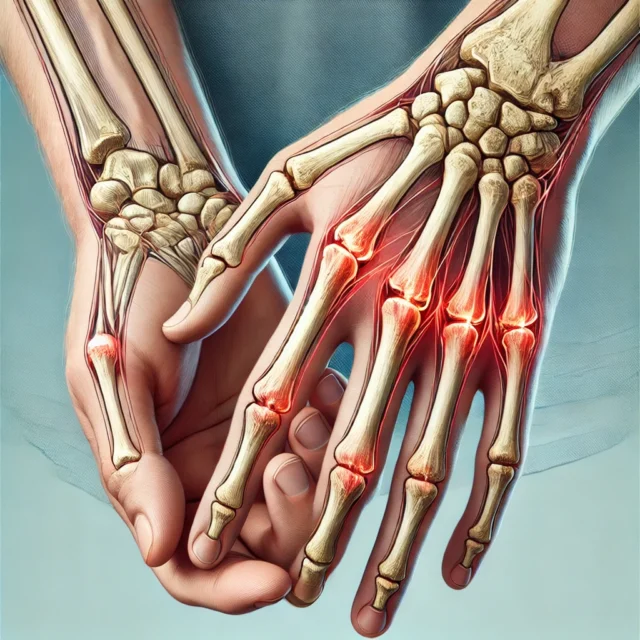

Do CBD creams work for arthritis pain?

Arthritis pain can greatly affect everyday activities, making simple tasks challenging.

As more people look for alternative remediesCBD cream has become a popular choice for relief.

This article explains what CBD is, how it works, and its possible benefits for those with arthritis.

It covers the various types of arthritis, how CBD cream can help reduce pain and inflammation, and provides advice on selecting and using these products effectively.

If you’re interested in a new way to manage arthritis pain, read on!

What is CBD?

CBD, or cannabidiol, is a non-psychoactive compound from the hemp plant, popular for its potential therapeutic effects in wellness products.

This cannabinoid interacts with receptors in the body, providing health benefits such as reducing inflammation, relieving pain, and managing various skin conditions.

It has become a natural remedy for many chronic conditions, drawing attention from both clinical studies and users’ reviews.

How Does CBD Cream Work?

CBD creams act as topical treatments that use the skin’s ability to absorb substances to deliver the benefits of cannabidiol directly to specific areas of discomfort.

These creams are designed to penetrate the skin, allowing CBD to interact with cannabinoid receptors 1 and 2, which may help relieve pain, reduce inflammation, and improve joint health.

Users often notice a significant decrease in muscle soreness and joint pain after using these topical products.

What is Arthritis?

Arthritis refers to several inflammatory conditions that affect the joints, with osteoarthritis and rheumatoid arthritis being the most common.

These chronic pain conditions can lead to significant discomfort, inflammation, and reduced mobility, affecting the quality of life for those impacted.

Understanding the different types of arthritis and their causes is essential for effective pain management and treatment.

What Are the Different Types of Arthritis?

There are different types of arthritis, each with distinct symptoms and causes, the most common being osteoarthritis and rheumatoid arthritis. Osteoarthritis involves the wear and tear of cartilage, while rheumatoid arthritis is an autoimmune disorder that causes chronic inflammation and joint pain. Knowing these differences is important for proper treatment and management.

Psoriatic arthritis often affects people with psoriasis, causing joint pain, swelling, and skin lesions. Reactive arthritis can develop in response to infections or other conditions, showing the varied nature of inflammatory responses. Gout is marked by sudden, severe pain attacks due to uric acid crystal buildup in the joints.

Each type of arthritis has its own symptoms, such as stiffness, swelling, and fatigue, making accurate diagnosis crucial. Treatments range from anti-inflammatory medications to physical therapy and lifestyle changes to relieve pain and improve mobility. Identifying the specific type of arthritis is essential for effective management and tailored treatment strategies.

How Can CBD Cream Help with Arthritis Pain?

CBD cream has attracted interest as a possible option for managing arthritis pain due to its pain-relieving and anti-inflammatory effects.

These topical treatments work by targeting localized pain through skin absorption, potentially reducing discomfort from different types of arthritis and providing a natural way to reduce inflammation and improve joint health.

Clinical studies and personal reports suggest that CBD creams can enhance the quality of life for those with chronic arthritis symptoms.

Does CBD Cream Reduce Inflammation?

Research studies indicate that CBD cream may help reduce inflammation, a main cause of arthritis pain. Its anti-inflammatory properties allow it to be applied directly to affected areas, potentially improving inflammation and joint health. Many users report positive results after using these creams.

Clinical trials and lab studies have examined how cannabidiol interacts with the body’s endocannabinoid system, revealing insights into its therapeutic effects. These studies suggest that CBD cream might reduce the production of pro-inflammatory substances, leading to less swelling and pain.

Users often find the cream easy to use, allowing them to manage discomfort directly without the broader effects of oral medications. As interest in these creams grows, ongoing research aims to better understand their effectiveness and how they promote joint mobility and reduce chronic inflammation.

Does CBD Cream Relieve Pain?

CBD cream has become a popular topical pain reliever, especially for arthritis sufferers. It can interact with pain receptors and reduce pain perception, potentially decreasing discomfort and improving quality of life.

Many users report significant pain reduction after using CBD cream as part of their pain management routine.

Users often describe how the cream not only soothes localized pain but also enhances mobility, allowing for a more active lifestyle. The interaction between cannabinoids and the body’s endocannabinoid system appears to play a key role in the therapeutic effects observed.

As individuals experience relief from symptoms like inflammation and soreness, they often report feeling less restricted by chronic pain.

This user feedback suggests that CBD cream not only alleviates immediate discomfort but also significantly improves daily life.

Are There Any Side Effects of Using CBD Cream for Arthritis Pain?

While CBD cream is generally safe for topical use, some users might experience skin irritation or allergic reactions. It’s important to understand the safety of CBD creams and consult healthcare providers for dosage advice to minimize adverse effects. Most users report that side effects are minor and manageable when used correctly.

Each person’s skin may react differently to CBD creams, so what works for one person might not suit another. Reports of skin irritation, though rare, emphasize the importance of patch testing on a small area before applying it more broadly.

Hearing from other users can provide helpful insights into how CBD cream affects different skin types and conditions. Seeking medical advice can also help ensure that people choose the right product and dosage, leading to a better experience with minimal risks.

Determining the recommended dosage for CBD cream depends on individual needs and the specific formulation. Users should follow the dosage instructions on product labels or seek advice from healthcare professionals.

A common approach is to start with a low dose to evaluate its effectiveness in managing pain, such as arthritis pain, and then adjust the dosage as necessary.

Are There Any Drug Interactions with CBD Cream?

Understanding possible drug interactions with CBD cream is important to ensure user safety and effectiveness.

Although topical use generally poses a lower risk of whole-body interactions, users should still consult healthcare providers to discuss any concerns about using CBD products with other medications.

This step helps maintain safety while incorporating CBD into treatment plans.

What Are the Best CBD Creams for Arthritis Pain?

To find the best CBD creams for arthritis pain, consider factors like formulation, active ingredients, and user reviews.

High-quality creams made for pain relief can greatly improve life for those with arthritis. Being informed about a product’s effectiveness and ingredient transparency is crucial when choosing the right cream.

What to Look for When Choosing a CBD Cream for Arthritis Pain?

When choosing a CBD cream for arthritis pain, check product labels for active ingredients, effectiveness claims, and possible side effects. Look for formulations with natural anti-inflammatories or essential oils that may boost the benefits of CBD.

Understanding the product’s composition helps you make an informed decision that matches your health goals.

Consumers should review third-party lab test results for information on purity and potency, which is crucial for those wary of side effects and who prefer natural remedies.

Customer feedback can also be useful in determining the cream’s effectiveness for others with similar pain. Carefully examining these factors can help you select a CBD cream that relieves pain effectively while ensuring safety and peace of mind.

How to Use CBD Cream for Arthritis Pain?

To use CBD cream for arthritis pain, apply a small amount to the affected area, ensuring it is absorbed into the skin.

Follow dosage recommendations and adjust based on your individual response for the best results.

Are There Any Other Alternative Treatments for Arthritis Pain?

Besides CBD cream, there are other options for managing arthritis pain, such as herbal treatments, physical therapy, and integrative medicine approaches. These therapies may work well together with topical applications to improve overall pain management.

Taking a holistic approach to arthritis treatment can lead to better outcomes and quality of life.

woman lying on green grass during daytime

How to Maintain a Simple Wellness Routine While Traveling

Travel has a funny wawoman bending forward in sports bray of disrupting even our best habits.

At home, maintaining a routine can feel relatively easy. You know where everything is, you have your normal schedule, and the products you use every day are sitting exactly where you left them.

Then you travel.

Suddenly you’re sleeping in a different bed, walking twice as much as usual, eating at different times, carrying luggage through airports, and spending hours sitting in planes or cars.

That’s why one of the best approaches to wellness while traveling is also one of the simplest: don’t try to bring your entire routine with you.

Instead, focus on a few habits that are easy to maintain wherever your travels take you.

Travel Can Be Hard on the Body

One of the wonderful things about traveling is how much more active it can make us.

Exploring a historic European city might mean walking miles across cobblestone streets. Visiting a national park could involve hiking for hours. Even a relaxing vacation often involves carrying luggage, climbing stairs, standing in lines, and spending long periods sitting during transportation.

Your body notices the difference.

That’s especially true if your everyday lifestyle doesn’t normally involve that much activity.

Rather than waiting until you’re exhausted to think about taking care of yourself, it makes sense to build a few simple wellness habits into your trip from the beginning.

Start With Movement

It might seem strange to recommend movement when you’re already walking around sightseeing all day, but travel can involve surprisingly long periods of inactivity.

A five-hour flight followed by an hour in a rental car isn’t exactly an active day.

Taking a few minutes to walk, stretch, and change positions periodically can make long travel days considerably more comfortable.

You don’t need a complicated stretching program.

Move around when you have the opportunity. Take the stairs occasionally. Walk through the airport instead of sitting at the gate for an extra hour. Stretch after arriving at your hotel.

Small habits are often the easiest ones to maintain.

Don’t Forget About Hydration

It’s incredibly easy to forget to drink enough water while traveling.

You’re busy exploring, schedules change, and sometimes you deliberately drink less because you aren’t sure when you’ll find the next restroom.

Air travel can make hydration even more important because airplane cabins have very low humidity.

Carrying a reusable water bottle is one of the simplest travel habits you can adopt. Many airports now have bottle-filling stations after security, allowing travelers to bring an empty bottle through the checkpoint and fill it before boarding.

It’s a small change that can quickly become part of your normal travel routine.

Keep Your Personal Wellness Products Simple

Another mistake travelers sometimes make is trying to recreate their entire home wellness cabinet inside a suitcase.

Usually, that’s unnecessary.

Think about which products you actually use consistently and which ones you could comfortably leave home for a week.

For some travelers, that might mean packing basic skincare products, sunscreen, comfortable walking shoes, and a few familiar personal-care items.

Others have incorporated hemp-derived topical products such as CBD creams, balms, and salves into their everyday routines.

One interesting discussion of this minimalist approach can be found in this article about using CBD salve as part of a simple focused wellness routine. The broader idea is applicable well beyond CBD: a routine doesn’t necessarily become better simply because it contains more products.

When you’re traveling, simplicity becomes particularly valuable.

Be Careful When Traveling With Cannabis Products

There is an important distinction travelers need to understand.

Cannabis laws vary dramatically depending on where you’re going, and something legally purchased in one location isn’t automatically legal to carry into another jurisdiction.

This becomes particularly important when crossing state or international borders.

Don’t assume that because a cannabis or hemp-derived product is available at home, you can legally take it everywhere you travel.

Research the rules for your destination before packing cannabis-related products, especially when traveling internationally.

When in doubt, leave it at home.

Comfortable Shoes Are Worth the Space

If there’s one travel lesson many of us learn the hard way, it’s that the shoes that look great in photographs aren’t always the shoes you want after walking around for eight hours.

Comfortable footwear can completely change your experience of a destination.

This is particularly true when visiting older cities.

Historic neighborhoods weren’t designed around modern accessibility standards. You may encounter uneven pavement, stone streets, steep staircases, hills, and long pedestrian areas.

Good footwear isn’t particularly exciting, but neither is spending half your vacation wishing you had brought different shoes.

Make Sleep a Priority

Travel encourages us to squeeze as much as possible into every day.

There is always another museum to visit, restaurant to try, neighborhood to explore, or sunrise to photograph.

But consistently sacrificing sleep can eventually take some of the enjoyment out of the trip.

Give yourself permission to rest.

You don’t have to experience everything a destination offers.

Sometimes an early night followed by a relaxed breakfast makes for a much better travel memory than trying to fit five more activities into an already exhausting day.

Leave Room for the Unexpected

Some of the best travel experiences aren’t planned.

You might discover a tiny restaurant that wasn’t in any guidebook. A local could recommend a neighborhood you’d never considered visiting. Bad weather might force you to completely change your plans.

That’s part of traveling.

A wellness routine should work the same way.

It should support your experience rather than control it.

If you normally exercise every morning but have an early excursion scheduled, skip the workout. If you’re exhausted after walking around all day, take an afternoon break.

Flexibility is part of maintaining balance.

Sustainable Travel Starts With Thoughtful Choices

Sustainability isn’t only about transportation and environmental impact.

It can also describe how we approach travel itself.

Trying to see everything, do everything, and maintain a complicated daily routine can turn an exciting trip into another source of stress.

Slowing down changes the experience.

Walk when practical. Carry a reusable bottle. Support local businesses. Spend more time experiencing fewer places. Pack thoughtfully instead of bringing things you probably won’t use.

And when it comes to your personal wellness routine, concentrate on the habits that genuinely make a difference for you.

Travel is ultimately about experiencing something beyond our everyday surroundings.

The simpler we make everything else, the more attention we can give to the reason we left home in the first place: discovering somewhere new.

Can CBD or CBG Help With Sleep Disorders?

Sleep disorders affect millions of people. Insomnia, restless nights, and poor sleep quality can harm physical and mental health. Researchers are exploring natural alternatives to improve sleep, including cannabinoids like CBD (cannabidiol) and CBG (cannabigerol). These non-psychoactive compounds, found in hemp and cannabis plants, may hold promise for those struggling with sleep.

This article examines how CBD and CBG work, their potential benefits for sleep, and what research says about their effectiveness.


What Are CBD and CBG?

CBD (Cannabidiol)

CBD is a compound in cannabis and hemp plants. It does not cause a “high” like THC (tetrahydrocannabinol). Instead, CBD interacts with the body’s endocannabinoid system (ECS), which regulates various functions, including sleep, mood, and pain.

CBG (Cannabigerol)

CBG is known as the “mother cannabinoid” because other cannabinoids, like CBD and THC, derive from it during the plant’s growth. CBG interacts with ECS receptors differently than CBD, potentially offering unique benefits for sleep and relaxation.


How Do CBD and CBG Affect Sleep?

CBD and CBG may support better sleep by addressing underlying factors like anxiety, pain, and disrupted sleep cycles. Here’s how they work:

CBD’s Effects on Sleep

  1. Reduces Anxiety: Anxiety often interferes with sleep. CBD interacts with serotonin receptors, promoting calmness and reducing anxious thoughts.
  2. Eases Pain: Chronic pain can keep people awake. CBD’s anti-inflammatory properties may reduce discomfort, leading to better rest.
  3. Regulates Sleep-Wake Cycles: CBD can promote wakefulness during the day and relaxation at night, helping regulate sleep patterns.

CBG’s Effects on Sleep

  1. Muscle Relaxation: CBG may reduce muscle tension, making it easier to fall asleep.
  2. Nerve Calming: Studies suggest CBG interacts with receptors linked to nerve health, potentially promoting relaxation.
  3. Mood Improvement: Like CBD, CBG may influence serotonin levels, improving overall mood and reducing stress.

Research on CBD, CBG, and Sleep

Studies on CBD

  • A 2019 study published in The Permanente Journal examined CBD’s impact on anxiety and sleep. Over 66% of participants reported improved sleep after taking CBD for one month.
  • Another 2017 review found that CBD may help treat REM sleep behavior disorder, a condition that causes people to act out dreams.

Studies on CBG

Research on CBG and sleep is limited, but early findings are promising:

  • CBG’s interaction with ECS receptors linked to relaxation suggests potential sleep benefits.
  • Anecdotal reports indicate that combining CBG with CBD may enhance their calming effects.

Choosing Between CBD and CBG for Sleep

The choice between CBD CBG and Cannabis depends on individual needs. CBD is widely available and well-studied, making it a good starting point. CBG may be better for those seeking additional muscle relaxation or nerve support.

Combining CBD and CBG

Some products combine CBD and CBG to take advantage of the “entourage effect,” where cannabinoids work together for greater effectiveness. This combination may amplify their calming and sleep-promoting properties.


How to Use CBD and CBG for Sleep

Forms of CBD and CBG

  1. Oils and Tinctures: Fast-acting and easy to dose, these are placed under the tongue for quick absorption.
  2. Capsules: Convenient for consistent dosing, capsules take longer to work but provide lasting effects.
  3. Edibles: Gummies or snacks infused with CBD and CBG are discreet and enjoyable but may take 1-2 hours to take effect.
  4. Topicals: While not directly linked to sleep, topicals can help relieve localized pain, improving comfort for better rest.

Dosage

There is no one-size-fits-all dose for CBD or CBG. Factors like body weight, metabolism, and the severity of sleep issues influence dosing. Start with a low dose, such as 10-20 mg of CBD or 5-10 mg of CBG, and adjust gradually.


Safety and Side Effects

Common Side Effects

  • CBD: Dry mouth, fatigue, or changes in appetite.
  • CBG: Limited data exists, but side effects appear similar to CBD.

Precautions

  • Consult a healthcare provider before using CBD or CBG, especially if taking other medications.
  • Choose products from reputable brands that provide third-party lab testing.

Conclusion

CBD and CBG show potential for improving sleep by addressing anxiety, pain, and relaxation. While more research is needed, many people find these cannabinoids helpful for falling and staying asleep. Choosing the right product and dosage is essential for maximizing benefits and minimizing risks.

If you’re considering CBD or CBG for sleep, start with small doses, track your progress, and consult a healthcare provider for guidance. With the right approach, these natural compounds may offer a path to better rest and overall well-being.

Can I use CBD topicals alongside other medications?

CBD topicals are becoming popular for their potential benefits, such as pain relief, reduced inflammation, and improved skin health. It’s important to understand both the advantages and potential risks involved. This guide looks into how CBD topicals can enhance well-being while also addressing concerns like skin irritation and medication interactions. If you’re interested in safely adding CBD to your routine, this guide will provide the information you need.

What Are The Benefits Of Using CBD Topicals?

CBD topicals are gaining popularity as wellness products that help with pain relief, reduce inflammation, and improve skin health.

These products, such as creams, lotions, balms, and ointments, use the benefits of cannabinoids from hemp extract to manage symptoms and support self-care.

As people look for natural remedies, the effectiveness of CBD topicals in treating various health issues and boosting overall well-being has received a lot of attention, with a focus on clear ingredients and safety.

1. Pain Relief

One of the main benefits of using CBD topicals is their ability to relieve pain for people with chronic pain or discomfort, making them a popular choice for those seeking alternative therapies.

These topical products interact with cannabinoid receptors in the skin, providing localized relief without the mind-altering effects usually linked to cannabis.

These products often include specially formulated creams, balms, and oils with CBD that target inflammation and improve mobility. Recent studies show promising results, indicating these topicals can significantly reduce pain in patients with conditions like arthritis and muscle soreness.

As research continues, it highlights the potential of CBD-infused products in effectively managing pain, supporting their use in holistic treatment approaches.

2. Reduced Inflammation

CBD topicals are known for their anti-inflammatory effects, which help reduce inflammation related to skin conditions and injuries.

CBD interacts with the body’s endocannabinoid system, affecting receptors that control inflammation. By lowering the production of pro-inflammatory cytokines and strengthening the skin’s barrier, these topicals support a balanced immune response.

Conditions like eczema, dermatitis, and psoriasis, which involve high inflammation, may improve with CBD treatment. Research, including a study in the Journal of Dermatological Treatment, has shown reduced redness and scaling, supporting CBD’s effectiveness for inflammatory skin disorders.

3. Improved Skin Health

Adding CBD topicals to skincare routines can improve skin health by addressing conditions like acne, psoriasis, and eczema due to their natural ingredients and therapeutic effects.

These topicals have anti-inflammatory properties that can soothe irritated skin and reduce redness, making them a good choice for people with sensitive skin. CBD also has antioxidant features that help fight oxidative stress, promoting a youthful complexion.

When choosing CBD topicals, consumers should look for products made with transparency, ensuring they know about the ingredients and their sources for skin safety. A well-made product will limit potential irritants and enhance the benefits of CBD, providing a safe and effective skincare experience.

4. Reduced Anxiety and Stress

Besides physical benefits, CBD topicals may help reduce anxiety and stress, promoting calmness and overall emotional well-being.

This combination makes CBD topicals attractive for those looking for natural mental health remedies.

Many users report feeling relaxed soon after applying cannabidiol-infused products, which can positively impact their daily routines.

Studies suggest that applying CBD on the skin may interact with cannabinoid receptors, possibly affecting mood and stress.

For example, a clinical trial showed that participants using CBD creams experienced reduced anxiety symptoms, highlighting their potential emotional benefits.

Personal stories, like those of yoga practitioners using CBD balms after sessions, suggest it enhances tranquility and helps maintain calmness throughout the day.

What Are The Potential Risks Of Using CBD Topicals?

While CBD topicals offer benefits, it’s important to consider potential risks, such as skin irritation, possible interactions with medications, and unknown long-term effects.

1. Skin Irritation

A primary risk with CBD topicals is skin irritation, which can result from sensitivity to certain ingredients or improper formulation.

Symptoms of skin irritation include redness, itching, burning sensations, or flaking skin, which can appear within minutes to hours of application. Consumers should closely monitor their skin’s response, especially when using a new product.

Understanding dermatological safety is important, as adverse reactions can affect both comfort and skin health.

Ingredient transparency is key, as it helps individuals make informed choices about what they apply. Knowing the components of a product allows potential irritants to be avoided, significantly reducing the risk of negative reactions.

2. Interaction With Other Medications

The possibility of interactions between CBD topicals and other medications is important, as they can influence how drugs are metabolized and how effective they are.

When applied to the skin, CBD can penetrate into the bloodstream, potentially changing how other medications are absorbed and used by the body. This means that both prescription and over-the-counter drugs may not work as expected when used with CBD topicals.

For example, some medications require specific liver pathways to be broken down, and CBD could either enhance or reduce their effects.

Therefore, it’s important for individuals to consult healthcare professionals about using CBD topicals to ensure safe and effective treatment plans that account for all substances involved.

3. Unknown Long-Term Effects

The long-term effects of using CBD topicals are not well understood, as they have not been extensively studied in clinical settings. This lack of research leaves patients and healthcare providers uncertain about integrating these products into treatment plans.

Given CBD’s growing popularity, users need to stay informed and share their experiences. Regular consultations with healthcare professionals can help address potential side effects and ensure personalized advice.

Ongoing monitoring is essential in understanding CBD’s impact on individual health and promoting a tailored approach to wellness.

Can I Use CBD Topicals While Taking Other Medications?

Consult your doctor before using CBD topicals with other medications to ensure your treatment plan is safe and effective.

1. Consult With Your Doctor

Before adding CBD topicals to your routine, consult with your doctor or healthcare professional to discuss your current medications and any possible interactions.

This ensures that using these products is safe with your existing treatments and allows you to understand the specific benefits of CBD topicals for your health needs.

When discussing options, ask your healthcare provider if the topical could affect any chronic conditions, interact with prescribed remedies, and what dosage would be most effective.

These consultations enhance patient care by clarifying doubts and addressing potential side effects, leading to informed and safe use.

2. Consider the Potential Interactions

It’s important to consider how CBD topicals might interact with other medications, as these interactions can affect drug effectiveness and patient care.

Understanding these effects on a patient’s overall health is crucial. Medications that may interact with CBD include:

  • Blood thinners
  • Certain antidepressants
  • Anti-anxiety medications

To ensure safety, individuals should consult healthcare professionals before adding CBD topicals to their treatment plan. Monitoring for unexpected side effects, such as mood changes, increased drowsiness, or enhanced effects of other medications, can help determine if adjustments are needed. Keeping a journal of symptoms and medication effects can assist in this evaluation.

3. Start with a Low Dose

Starting with a low dose of CBD topicals is recommended, especially for those new to cannabinoid products or taking other medications.

This careful approach helps users understand how they react to the compound without overwhelming their system. By slowly increasing the dose, individuals can observe how their body responds, which is important for finding the best level for therapeutic benefits.

Paying attention to personal experiences and adjusting the dosage accordingly is essential, as everyone’s body chemistry is different. Consulting with a healthcare provider can further improve safety and effectiveness.

Keeping a journal of symptoms and changes can assist in tracking progress and inform future decisions about dosage adjustments.

4. Monitor for Side Effects

Regularly checking for any side effects while using CBD topicals is important to ensure safety and address any concerns during use.

Keeping a journal helps users track their experiences, noting changes in skin condition, unexpected reactions, or discomfort. This practice not only records physical symptoms but also allows users to share their findings with healthcare professionals for better discussions about their treatment.

Be aware of symptoms such as:

  • Redness
  • Itching
  • Swelling at the application site

These symptoms may indicate an allergic reaction or irritation. It’s essential to seek medical advice if these symptoms persist or worsen, or if there are any unusual changes in overall health, to maintain a proactive approach to wellbeing.

What Are Some Common Medications That May Interact With CBD Topicals?

Certain common medications can interact with CBD topicals, affecting the effectiveness of both the topical and the medication and potentially complicating treatment plans.

1. Blood Thinners

Blood thinners can interact with CBD topicals, potentially affecting how they work and their overall effectiveness.

Understanding this interaction is important for those using CBD in their wellness routine. CBD may change how liver enzymes process blood thinners, leading to different levels of the medication in the bloodstream.

This could either increase or decrease the effects of blood thinners, so it is crucial for individuals to communicate openly with their healthcare providers. Regular monitoring of blood levels may be necessary to ensure safety and assess the effectiveness of both CBD products and the prescribed blood thinners.

2. Anti-Seizure Medications

Anti-seizure medications may interact with CBD topicals, possibly affecting their effectiveness and raising safety concerns.

Individuals considering using CBD with prescribed treatments should consult healthcare professionals who understand both. The interaction between CBD and these medications can differ greatly based on the patient’s situation, including the type of seizure disorders, medication dosage, and individual health factors.

Caution is advised, as this combination might cause unexpected side effects or changes in medication effectiveness. A collaborative approach with medical providers can help ensure safer and more effective treatment.

3. Benzodiazepines

Benzodiazepines are a type of medication that can interact with CBD topicals, possibly leading to increased sedation or other side effects.

When these two are used together, it’s important to consider how CBD might change the way benzodiazepines are processed in the body, potentially increasing sedative effects and causing more drowsiness or impaired movement.

Healthcare providers should take a comprehensive approach to patient care that includes monitoring, education, and open communication.

This ensures that individuals are well-informed about the risks and benefits of using CBD topicals with their prescribed benzodiazepines, promoting safer and more effective treatment outcomes.

4. Immunosuppressants

Combining immunosuppressants with CBD topicals can cause significant interactions, requiring careful monitoring and professional advice.

Each patient’s response may differ due to their unique health conditions and medications. While this combination might provide relief for some, others could experience unexpected complications, making an individualized approach to care essential.

Healthcare providers should evaluate the benefits and risks, paying close attention to any potential effects on the immune system. This personalized method enhances safety and can improve therapeutic outcomes.

5. Chemotherapy Drugs

Chemotherapy drugs present a concern when used with CBD topicals, as these interactions can affect treatment outcomes.

As patients seek ways to ease chemotherapy side effects, the role of CBD topicals becomes more relevant. It’s important to understand that these topicals can interact with chemotherapy drugs differently, impacting the effectiveness of cancer treatment.

Therefore, consulting healthcare professionals is crucial to safely include these therapies in a treatment plan. These consultations can help customize strategies to optimize both chemotherapy effectiveness and CBD benefits, ensuring patients receive care that meets their specific health needs.

The History of Hemp: A Timeless Plant with Endless Uses

Hemp has been part of human history for thousands of years. This versatile plant, a variety of Cannabis sativa, has played a vital role in agriculture, industry, and culture. Unlike marijuana, hemp contains very low levels of THC, the compound responsible for psychoactive effects. Its fibers, seeds, and oil have been used across civilizations for practical and medicinal purposes.

Early Origins of Hemp

The cultivation of hemp dates back to around 8,000 BCE in ancient Mesopotamia, now modern-day Iran and Iraq. Archaeological evidence shows that early farmers used hemp fibers to make ropes and textiles. Hemp seeds were also a source of nutrition due to their rich protein and fatty acid content.

In ancient China, hemp gained prominence as one of the first crops cultivated for its usefulness. Around 2,800 BCE, Emperor Shen Nung mentioned hemp in his pharmacopeia as a remedy for various ailments. The Chinese also used hemp fibers to make paper, contributing to advancements in communication and record-keeping.

Hemp in Ancient Civilizations

Hemp spread across Asia, Europe, and the Middle East over the centuries. In India, it became a key ingredient in Ayurvedic medicine, used to treat conditions such as inflammation and pain. In ancient Egypt, hemp was used in construction and textiles. Egyptian tombs contain remnants of hemp fabric, showcasing its importance in daily life and ceremonies.

The Greeks and Romans also valued hemp. Historians note that Greek sailors relied on hemp ropes and sails for their ships, enabling long-distance travel and trade. Roman historians such as Pliny the Elder wrote about hemp’s uses in medicine, rope-making, and agriculture.

Hemp in the Middle Ages

During the Middle Ages, hemp became a staple crop in Europe. It was used to produce ropes, sails, and clothing. Hemp’s durable fibers made it essential for naval industries. European explorers, including Christopher Columbus, depended on hemp-made materials for their ships.

In medieval Europe, hemp seeds and oil became dietary staples. Hemp oil was used for cooking and lighting lamps. The Catholic Church even used hemp paper for religious texts and manuscripts.

The Role of Hemp in Colonial America

Hemp arrived in the Americas in the 17th century. English settlers brought hemp seeds to grow in the colonies, recognizing its value for making rope, sails, and fabric. In 1619, the Virginia Assembly passed a law requiring farmers to grow hemp as a mandatory crop.

Hemp was integral to the economies of colonial America. George Washington and Thomas Jefferson, both founding fathers of the United States, grew hemp on their estates. They used it for rope, canvas, and clothing. Hemp was also used to make paper, including drafts of the Declaration of Independence.

Hemp During Industrialization

The Industrial Revolution in the 18th and 19th centuries saw a decline in hemp use as cotton became more popular for textiles. However, hemp remained important for making ropes and sails, especially in maritime industries. During this period, inventors explored new ways to process hemp fibers more efficiently, though cotton’s dominance continued to grow.

In the 20th century, hemp gained renewed attention during World War II. The United States launched the “Hemp for Victory” campaign, encouraging farmers to grow hemp to support the war effort. Hemp was used to make military uniforms, parachutes, and ship rigging.

Decline and Stigma Around Hemp

Hemp faced challenges in the mid-20th century due to its association with marijuana. In 1937, the U.S. government passed the Marihuana Tax Act, which restricted hemp production. The Controlled Substances Act of 1970 classified all forms of Cannabis sativa as illegal, effectively ending industrial hemp cultivation in many countries.

This legal shift was driven by misconceptions about hemp and marijuana. Although they come from the same plant family, hemp contains only trace amounts of THC and cannot produce psychoactive effects. The stigma surrounding hemp limited its industrial and agricultural potential for decades.

The Modern Hemp Revival

In recent years, hemp has experienced a revival. Growing awareness of its environmental benefits and versatile applications has led to changes in laws and attitudes. Hemp can be used to create biodegradable plastics, sustainable building materials, and biofuels, making it a valuable crop in the push for eco-friendly solutions.

In 2018, the U.S. Farm Bill legalized the cultivation of industrial hemp. This legislation allowed farmers to grow hemp with less than 0.3% THC, creating opportunities for industries to incorporate hemp into textiles, food products, and wellness goods.

Current Uses of Hemp

Hemp’s modern uses are diverse, spanning multiple industries:

  1. Textiles and Fabrics: Hemp is used to make clothing, shoes, and upholstery. Its fibers are strong, breathable, and resistant to wear.
  2. Food Products: Hemp seeds and oil are nutritious, offering protein, omega-3 fatty acids, and antioxidants. Hemp-based snacks, milk, and protein powders are now popular.
  3. Skincare and Wellness: Hemp oil is used in lotions, balms, and creams due to its moisturizing and anti-inflammatory properties. CBD, a compound extracted from hemp, has gained popularity for its potential health benefits.
  4. Building Materials: Hempcrete, a mix of hemp and lime, is used as an eco-friendly alternative to concrete. It is lightweight, durable, and energy-efficient.
  5. Paper and Packaging: Hemp paper is recyclable and requires fewer chemicals during production compared to traditional paper.

Hemp’s Environmental Benefits

Hemp is considered a sustainable crop due to its minimal environmental impact. It requires less water than cotton and grows quickly without the need for pesticides. Hemp plants improve soil health by reducing erosion and adding nutrients. Additionally, hemp absorbs large amounts of carbon dioxide, contributing to cleaner air.

The Future of Hemp

The future of hemp looks promising as industries and governments embrace its potential. Researchers are exploring new ways to utilize hemp in construction, energy production, and medicine. As consumers seek sustainable alternatives, hemp’s versatility positions it as a key resource for addressing global challenges.

Hemp has been a vital part of human history for thousands of years. From ancient textiles to modern wellness products, its uses continue to evolve. As the world seeks sustainable and natural solutions, hemp stands out as a plant with endless possibilities. Its history is a testament to its resilience and importance, making it a valuable crop for the future.

Hemp in the History of Travel

The Role of Hemp in Ancient Exploration

Hemp was a cornerstone of maritime travel in ancient civilizations. Its fibers were used to craft ropes, sails, and nets—essential tools for seafaring nations like the Greeks, Romans, and Chinese. Hemp ropes, valued for their strength and durability, made long ocean voyages possible. Without hemp, early explorers may not have been able to navigate the vast seas.

In ancient China, hemp paper was used to create maps and travel documents. Its durability ensured that critical navigation tools withstood the rigors of exploration. Meanwhile, hemp oils and seeds provided a lightweight, nutrient-rich food source for travelers on extended journeys.

Hemp in Colonial America

During the Age of Exploration, European settlers brought hemp to the Americas, recognizing its importance for building ships and creating supplies. Hemp was a mandatory crop in some colonies, with laws requiring farmers to grow it. Christopher Columbus’s ships relied on hemp sails and rigging, further cementing its role in the expansion of global trade and exploration.

Hemp’s Modern Renaissance in Travel

As the world focuses on sustainability, hemp has experienced a revival in modern travel. Its versatility and eco-friendly properties make it an ideal resource for travelers who want to minimize their environmental impact.

Hemp Travel Gear

Many companies are now using hemp to produce durable, sustainable travel gear. Backpacks, tote bags, and clothing made from hemp are gaining popularity for their strength and resistance to wear and tear. Hemp fibers are naturally antimicrobial, making them perfect for travelers who need clean and long-lasting gear.

Hemp-based textiles are also lightweight and breathable, making them comfortable for a range of climates. These qualities make hemp travel products a favorite for adventurers and eco-conscious globetrotters alike.

Eco-Friendly Accommodations

The tourism industry is embracing hemp as a material for sustainable building. Hempcrete, a blend of hemp fibers and lime, is being used to construct eco-lodges and other accommodations. Hempcrete is energy-efficient, durable, and biodegradable, making it an ideal choice for green building projects.

Some resorts and hotels even incorporate hemp in their furnishings, such as hemp-based mattresses and curtains. These choices not only reduce the environmental footprint of the hospitality industry but also offer a unique experience for eco-minded travelers.

Hemp-Based Skincare for Travelers

Hemp-derived products like CBD-infused creams and oils are becoming essentials for travelers. These products offer relief for sore muscles after long hikes, hydration for dry skin caused by air travel, and a natural solution for calming irritation from sun exposure.

Hemp-based skincare is compact and versatile, making it an excellent addition to any traveler’s packing list. The products are eco-friendly, non-toxic, and often come in recyclable packaging, further supporting sustainable travel practices.

Hemp and Eco-Tourism

Hemp’s environmental benefits make it a cornerstone of the eco-tourism movement. It grows quickly, requires minimal water, and absorbs carbon dioxide from the atmosphere, contributing to cleaner air. By incorporating hemp into tourism, destinations can promote sustainability while providing travelers with a high-quality experience.

Supporting Local Economies

Hemp cultivation supports local communities by creating jobs in farming, manufacturing, and tourism. Eco-tourism initiatives often partner with hemp farmers to showcase sustainable practices, such as using hemp for crafts, textiles, or eco-friendly souvenirs.

Educational Opportunities

Some travel destinations offer hemp-focused tours and workshops. These experiences educate visitors about hemp’s history, benefits, and modern uses, creating a deeper connection to sustainability.

Tips for Using Hemp on Your Next Trip

  1. Pack Hemp Gear: Look for hemp backpacks, clothing, or accessories for durable and sustainable travel essentials.
  2. Choose Hemp Skincare: Opt for hemp-based lotions, lip balms, or sunscreens to stay eco-friendly and maintain healthy skin during your travels.
  3. Stay in Hemp-Friendly Accommodations: Research eco-lodges or hotels that use hemp in their construction or furnishings.
  4. Shop Local Hemp Products: Support local economies by purchasing hemp-based souvenirs or products from small businesses during your trip.

The Future of Hemp in Travel

As awareness of sustainability grows, hemp’s role in travel will likely expand. Researchers and innovators are exploring new ways to incorporate hemp into transportation, building materials, and even food for travelers. Its potential to reduce waste, conserve resources, and provide durable alternatives positions hemp as a key player in the future of sustainable tourism.

Final Thoughts

Hemp has supported travelers for centuries, from ancient sailors to modern eco-tourists. Its durability, versatility, and environmental benefits make it a valuable resource for those seeking sustainable solutions. As the world embraces greener practices, hemp’s legacy in travel will only grow, proving that this ancient plant is truly timeless.